Deciding between an online culinary school and a traditional brick-and-mortar institution can significantly impact an aspiring chef’s professional trajectory. Each mode of education offers distinct approaches to teaching the culinary arts, which cater to different learning styles and life situations. Prospective students must weigh various elements, such as hands-on training, schedule flexibility, costs, and networking opportunities, before making a commitment.
Understanding the nuances of each educational path allows for a tailored choice that aligns with one’s career goals and lifestyle needs. In this article, we will delve into the key factors that differentiate online culinary schools from their traditional counterparts and guide enthusiasts towards making an informed decision.
Comparing Curriculum Structure in Online vs Traditional Culinary Schools
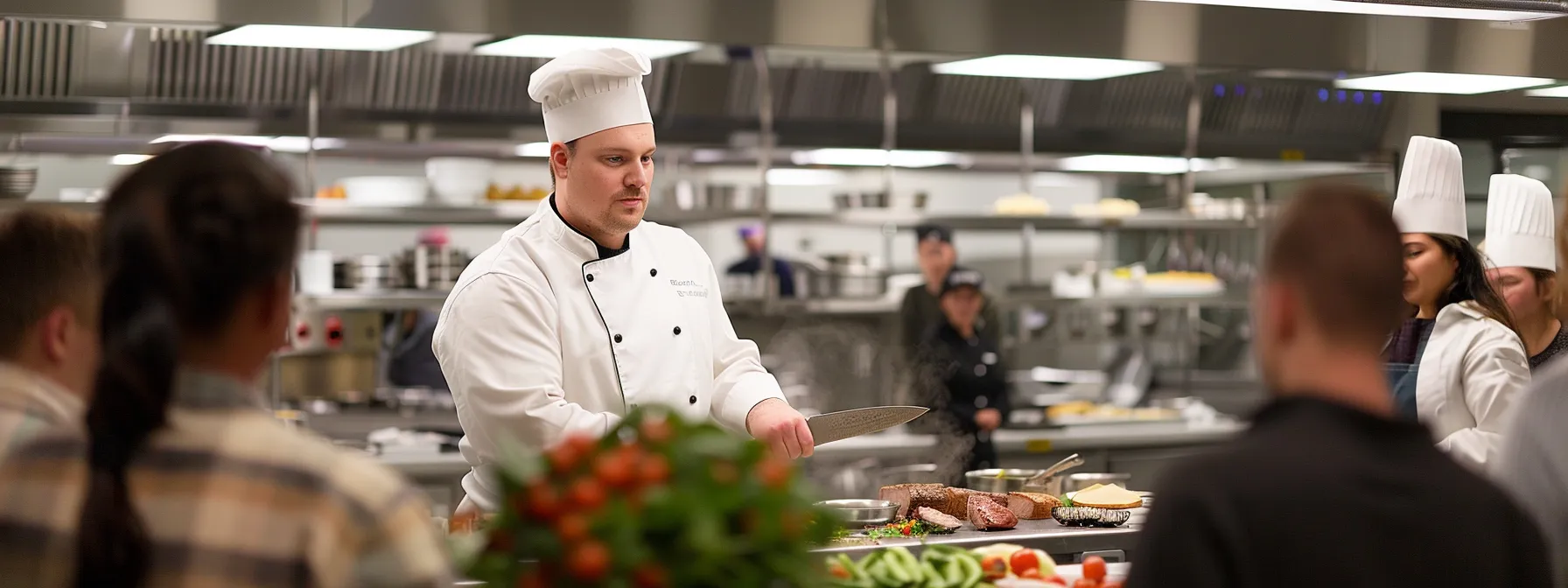
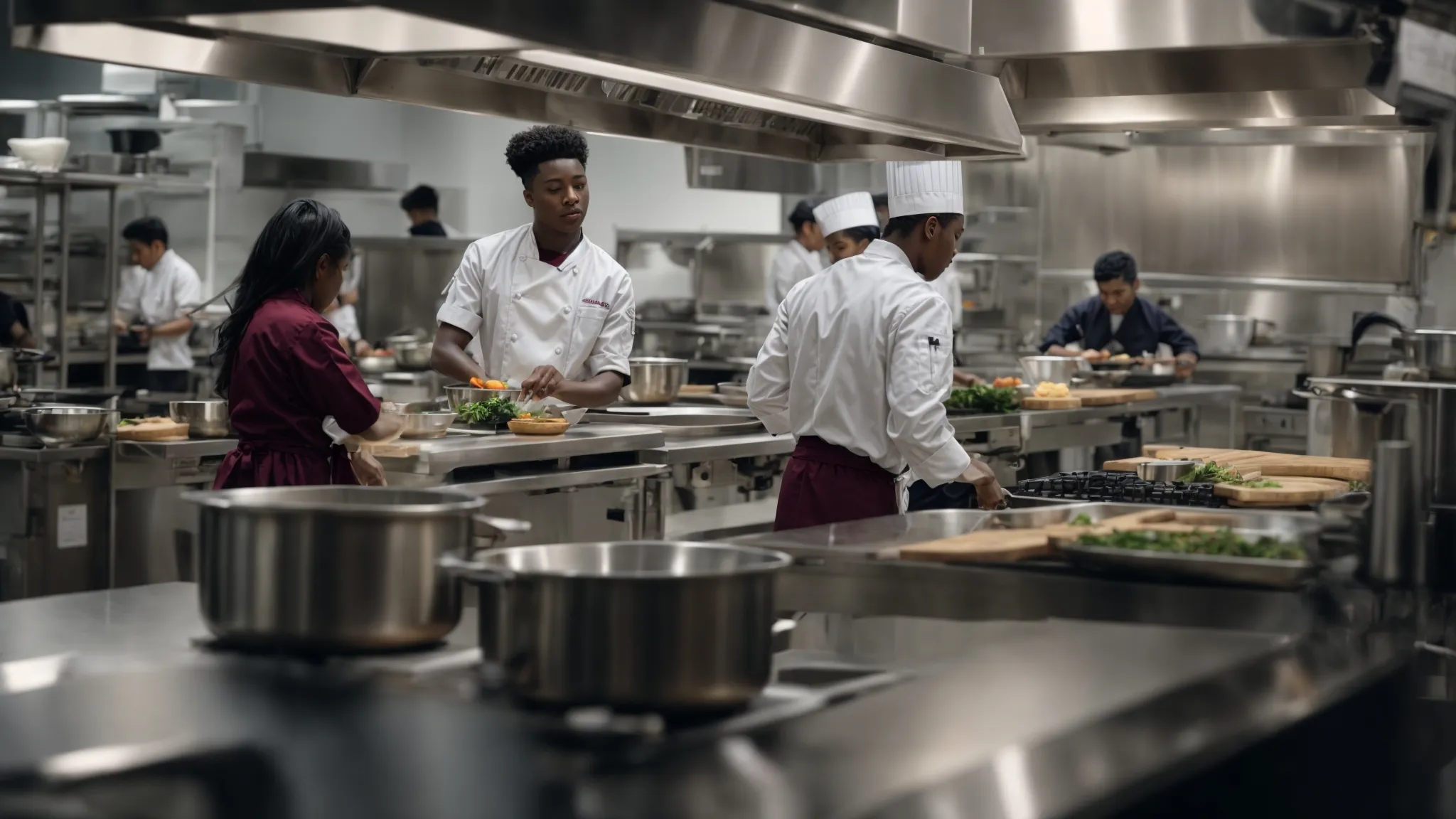
The curriculum is a core element of any educational experience, and the structure in online versus traditional culinary schools differs significantly. Traditional programs usually offer hands-on experience in a kitchen setting, allowing students to apply techniques in real-time, while online programs might focus on theoretical knowledge and demonstrations via digital platforms.
Students taking the online route often benefit from a wealth of multimedia resources, including video tutorials, live-streamed cooking classes, and virtual workshops, which can enhance their understanding of culinary concepts. However, the lack of immediate, tactile learning opportunities could be a drawback for those who thrive on direct application.
Aspiring chefs should online culinary school and consider their personal learning styles when assessing curriculums. Visit school websites, speak to admissions counselors, and perhaps sit in on a class, if possible, to get a feel for the environment that will foster your growth best.
Assessing Flexibility and Time Management for Aspiring Chefs
Online culinary programs often provide greater flexibility than traditional schools, catering to individuals who may be balancing career duties, family responsibilities, or irregular schedules. This flexibility allows for a self-paced learning environment where students can complete their coursework at their convenience.
Traditional culinary institutions, on the other hand, often operate on a set schedule with specific hours for classes and practical sessions. While less accommodating to personal schedules, this structure can be beneficial for those who prefer a routine and direct face-to-face instructor interaction.
Aspiring chefs should consider how well they manage time and stay motivated without the structure of a physical classroom. Excellent time-management skills and self-discipline are key for success in an online setting, while those who prefer a more regimented environment may opt for a traditional school setup.
Analyzing Costs: Tuition and Additional Expenses
It’s important to factor in the financial implications when choosing between an online or traditional culinary school. Generally, online programs may offer lower tuition rates since they don’t involve the same level of facility usage and hands-on equipment that brick-and-mortar schools do.
However, this isn’t the only financial aspect to consider—there are often hidden costs in both scenarios. Online students may need to purchase their own cooking tools and ingredients to practice at home, while traditional school attendees may face commute and relocation costs.
Prospective students must carefully evaluate the full cost of their education, including tuition, supplies, and potential living expenses, to assure it’s a sound investment. Budgeting for these expenses early on can help future chefs avoid financial surprises down the line.
Considering Career Outcomes and Industry Connections

Post-graduation success is highly influenced by the type of culinary education one receives. Traditional culinary schools tend to have established networks within the food industry, offering avenues for internships, apprenticeships, and job placements after completing the program.
Online schools may offer less direct pathways to professional kitchens but can still provide valuable knowledge and qualifications. They may also facilitate connections through online alumni networks and virtual job boards or fairs. Thorough research into each school’s career services and alumni outcomes must be a priority for students.
Those contemplating an online or traditional culinary school must consider where they plan to work post-graduation and ensure their chosen educational path aligns with their career aspirations. Additionally, proactively networking and seeking out opportunities while in school will be critical regardless of the educational format chosen.
In conclusion, the choice between an online culinary school and a traditional culinary academy is deeply personal and heavily relies on individual circumstances and career goals. By comparing curriculum structures, assessing personal time management skills, analyzing costs, and considering career outcomes and industry connections, aspiring chefs can navigate towards the educational path that promises to enhance their culinary journey and optimize their professional success.